Availability
Bangkok Clinic
Wednesday
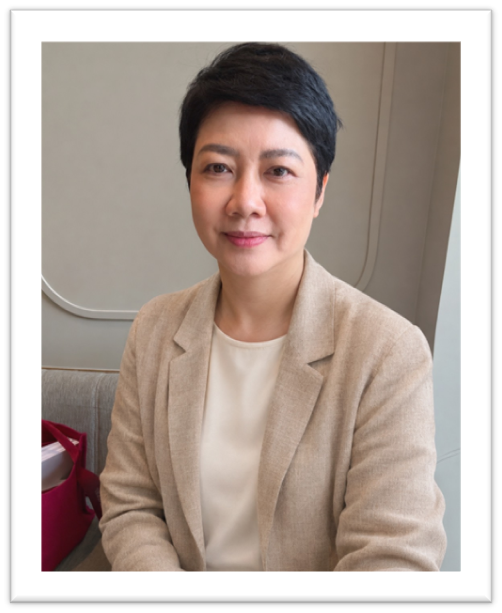
Kattiya Ratanadilok, Psy.D.
Licensed Clinical Psychology (License No. psych195)
Psychotherapist (English and Thai speaking)
Education:
– Doctor of Psychology (Psy.D.) in Clinical Psychology
(emphasis in neuropsychology and forensic psychology)
Institute for Graduate Clinical Psychology, Widener University, USA, 2006
– Master of Arts (Criminal Justice), Widener University, USA, 2006
– Master of Science (Clinical Psychology)
Mahidol University, Thailand, 1996
– Bachelor of Science (Clinical Psychology – emphasis),
Second-Class Honors, Chiang Mai University, Thailand, 1994
Areas of Interest for Treatment & Clinical Experience:
– Individual counseling and psychotherapy for stress, worry, relationship difficulties, and adjustment to life changes.
– Family therapy for children and adolescents experiencing difficulties related to substance use or whose gaming interferes with daily life. Young people and their families discuss how these difficulties affect each of them and develop a plan together.
– Parent consultations and family counseling to better understand a child’s feelings and behavior, talk about difficult subjects, and work through disagreements.
– Counseling and psychotherapy for children and adolescents seeking support with emotions, behavior, adjustment, friendships, or family relationships.
– Consultations for children and parents about learning, attention, and development, including concerns about possible learning disabilities (LD), attention-deficit/hyperactivity disorder (ADHD), or developmental delay. Sessions explore the child’s experiences at home and at school and identify practical ways to support the child.
– Counseling for older adults adjusting to retirement, changing family roles, the loss of someone close, or changes in health.
Therapeutic Approach:
– Integrative psychotherapy, including Client-centered, Cognitive Behavior Therapy (CBT), Integrative Family Therapy, and etc.
Therapeutic Approach:
Dr. Kattiya places great importance on selecting therapeutic approaches that are best suited to each individual’s specific concerns, needs, and personal circumstances. This process draws upon established academic principles, professional knowledge, clinical experience, and clinical assessment to ensure that the therapeutic approach is appropriately aligned with each patient’s goals and needs.

